Creating an exceptional customer experience - it all starts with the charger

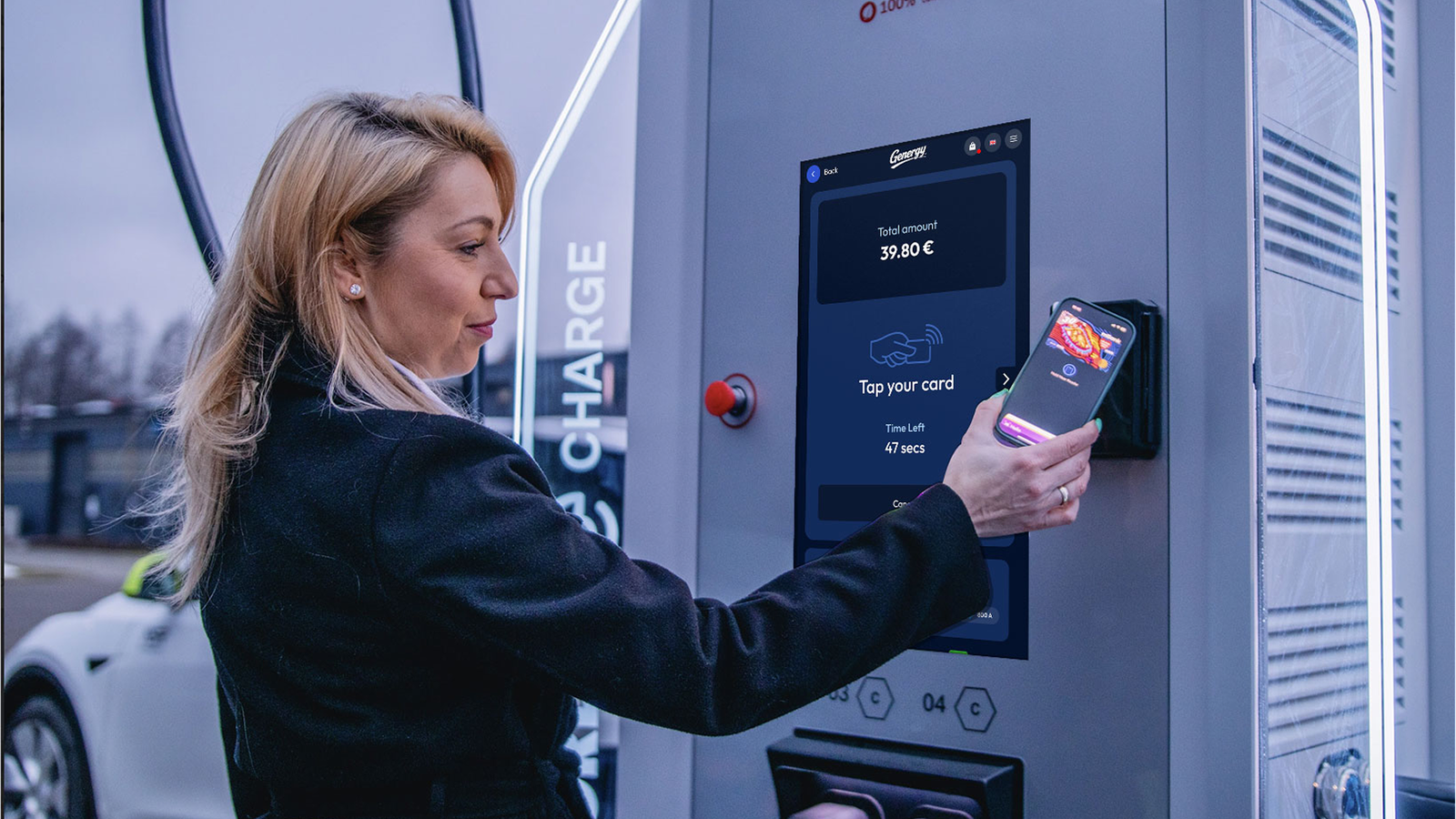
The User Interface is an ultimate point of contact with EV drivers
In modern EV charging infrastructure, the user interface is providing significantly more value than anyone could think. It is the central touchpoint that connects drivers, retailers, operators, and services into one experience. Crucial to notice is that for many EV drivers, the charger screen is the first and often the only interaction they have with a location. That makes the UI a critical driver of trust, engagement, and long term loyalty.
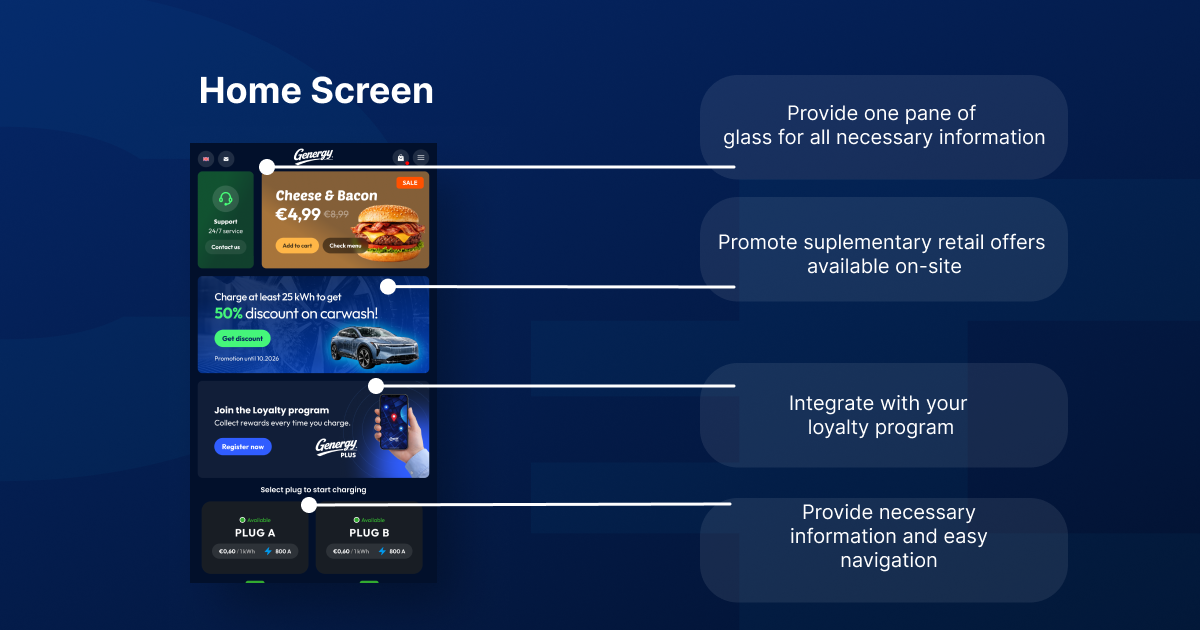
The new WILLBERT User Interface is managed through the HAWKe platform, which acts as the operational brain of the charging ecosystem. HAWKe allows charging point operators and retailers to remotely manage content, services, pricing, and user flows across their charging network. Everything that appears on the charger screen can be configured, updated, and optimized in real time, transforming the charger from a static utility into a dynamic business asset with a direct impact on ROI.
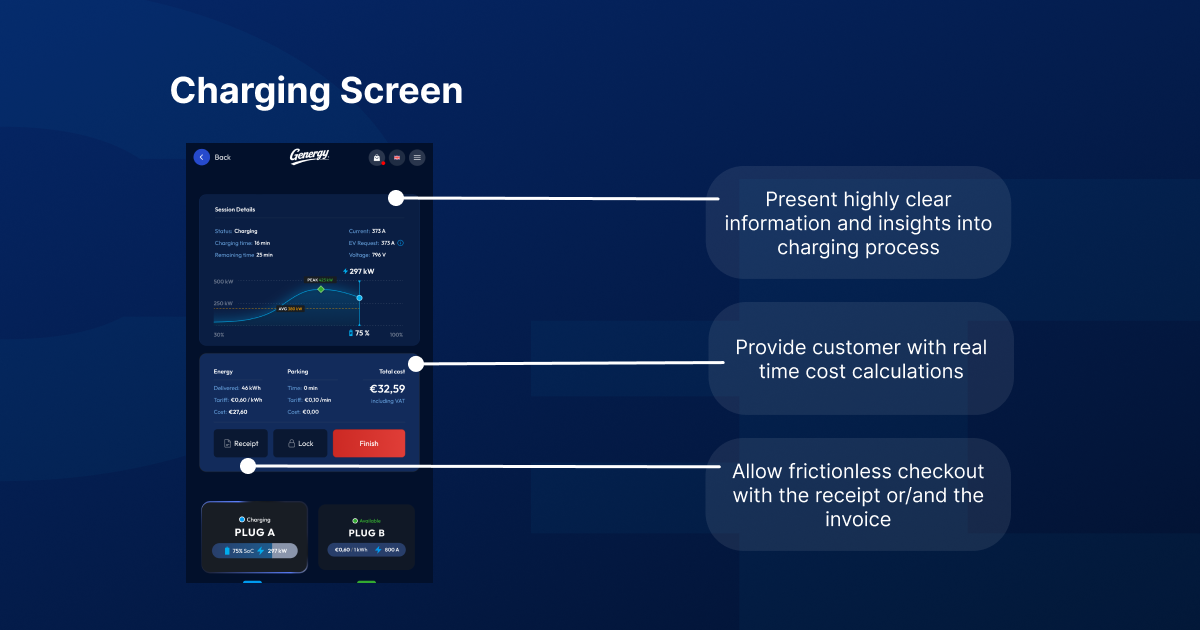
For EV drivers, this means a clear, intuitive and engaging journey from the very first interaction. Plug selection, session start, charging progress, power delivery, energy consumption, and costs are presented transparently and in real time. The result is a stress free charging experience that feels easy to consistent.
PayBERT. Simplified payments without friction
One of the biggest pain points in public EV charging remains payment complexity. Multiple apps, unclear pricing, and fragmented payment methods create frustration and uncertainty for drivers.
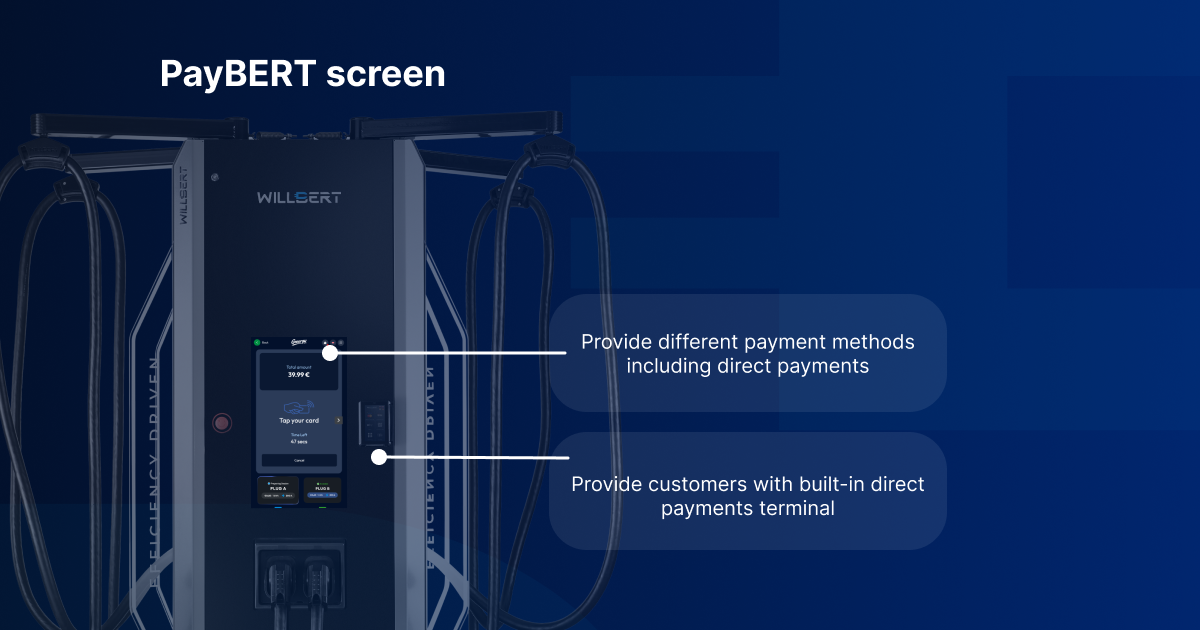
PayBERT addresses this challenge directly. Integrated into the WILLBERT User Interface, it enables seamless, app free payments using bank cards. Drivers can easily define a session budget and maintain full control over costs, while benefiting from real time pricing and transparent invoicing. Additionally, it handles remote authorizations, fleet cards, or RFID. PayBERT fully meets European regulatory requirements and supports AFIR compliance where applicable.
For operators and retailers, PayBERT reduces friction, increases successful sessions, and removes barriers that often discourage first time or occasional EV drivers.
AdBERT. The charging screen as a communication and monetization channel
With the new UI, the charger screen becomes a powerful media surface. AdBERT enables operators to use that surface as a communication and advertising channel, fully managed through HAWKe.
Depending on the location and surrounding infrastructure, the home screen can display own brand promotions, partner advertising, dynamic banners, or time based campaigns. Content can be adjusted throughout the day, aligned with traffic patterns, or tailored to specific sites. This creates new non energy revenue streams and allows retailers to actively engage drivers during the charging session.
AdBERT turns dwell time into value, helping operators improve utilization and unlock additional return on investment beyond energy sales.
BuyBERT. Bringing retail directly to the charger
Despite longer dwell times, a significant share of EV charging sessions still does not result in a store visit. BuyBERT addresses this gap by extending retail access directly to the charger.
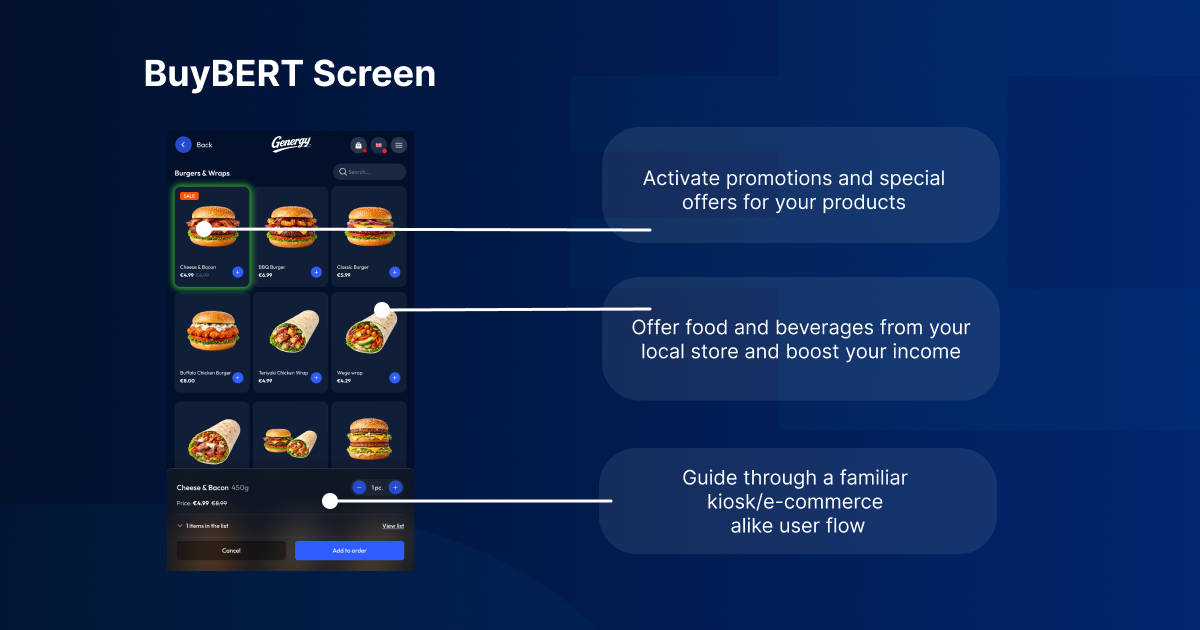
Through the WILLBERT User Interface, drivers can browse available products and services at the site, such as food, drinks, or convenience items, and place orders directly from the charging screen. Purchases are processed via integrated payment terminals, creating a seamless flow from selection to fulfillment.
For retailers, BuyBERT bridges the physical gap between the charger and the store, increasing conversion rates and unlocking new revenue opportunities without additional staffing or infrastructure.
A scalable DC charging foundation by a European manufacturer
The software ecosystem is supported by a robust and future ready hardware platform. WILLBERT is a European manufacturer specializing in high power DC charging solutions designed for retail integration and scalable deployment.
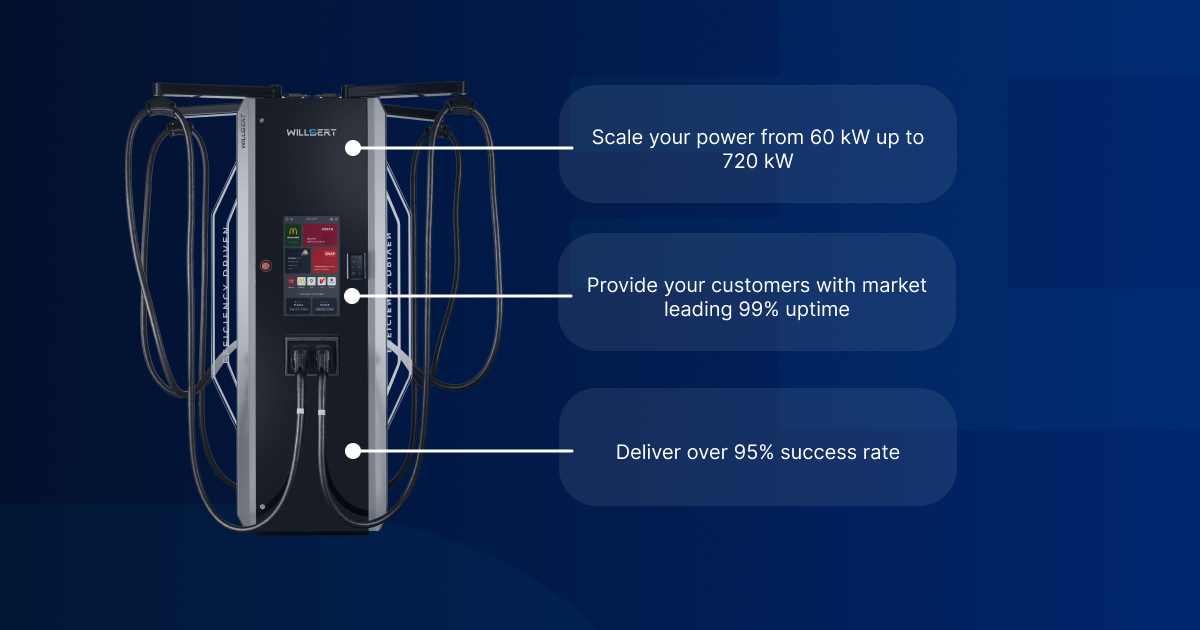
The Amber II platform offers modular power scaling from 60 kW up to 360 kW per charger. Two units can be connected via a high voltage DC link to form an S-HUB, enabling up to eight vehicles to charge simultaneously with shared power of up to 720 kW. Power modules are integrated directly into the chargers, eliminating the need for external power cabinets and allowing flexible site layouts. This approach brings multiple benefits, in particular significant savings in CAPEX and OPEX.
With hub uptime reaching 99 percent and session success rates exceeding 95 percent, reliability is ensured through real time monitoring, predictive maintenance, and in house diagnostics. Intelligent power allocation maximizes performance during peak demand and helps reduce charging queues.
With a human centered UI, modular software architecture, and scalable DC charging hardware, WILLBERT delivers a complete charging ecosystem where user experience, retail integration, and business performance are designed to work together.
Tomasz Rydz supports the execution of marketing strategy by creating audiovisual content and managing event presence at WILLBERT by EUROLOOP. He has a strong background in automotive marketing, he previously worked at Toyota Central Europe and a renowned tuning company in Florida. At EUROLOOP, he focuses on brand visibility, content creation, and engaging customer experiences in the evolving EV charging market.
Stay in the loop
Get the latest on EV charging, forecourt retail, and the WILLBERT ecosystem — straight to your inbox.
Articles you might be interested in
Flash charging: Releasing Amber II FlaSHUB
FlaSHUB: 1 MW+ flash charging, simplified
How the Standalone Hub Architecture Cuts Charging Site CAPEX by 32%
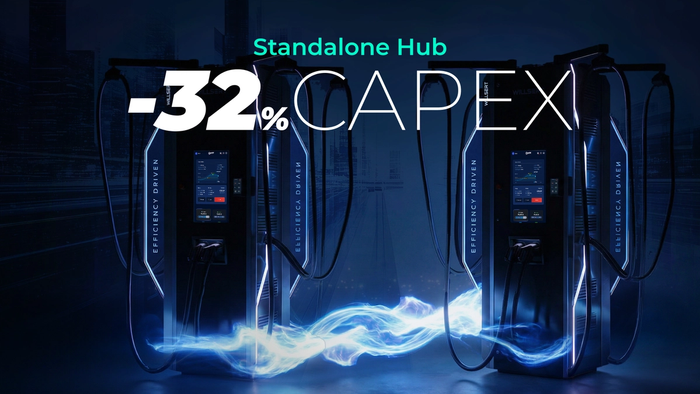
When a Charge Point Operator plans an 8-plug DC fast-charging site, the choice of hardware architecture has a bigger impact on total investment than most operators expect. In this case study, we compare a conventional standalone charger deployment against WILLBERT's S-HUB configu
From Futuristic to Standard: Silicon Carbide
There was a time when silicon carbide in EV charging sounded like something reserved for the future. Seven years ago, it was still considered an advanced, almost experimental semiconductor technology, discussed mainly in the context of aerospace, high-performance electronics, and