When Low Voltage Delivers High Power

When Low Voltage Delivers High Power
Rethinking Grid Connections with the S-HUB Architecture
For many charge point operators, the grid connection is often the main limitation that shapes the entire charging site. Access to medium or high voltage infrastructure can be costly, time consuming and often simply unavailable. As a result, even well positioned sites remain underutilized because the grid cannot support the power levels modern electric vehicles require.
At WILLBERT by EUROLOOP, we approached this challenge from a different angle. Instead of treating low voltage connections as a constraint, we asked how much more could be achieved with the infrastructure already in place.
Combining Low Voltage Sources into One High Power System
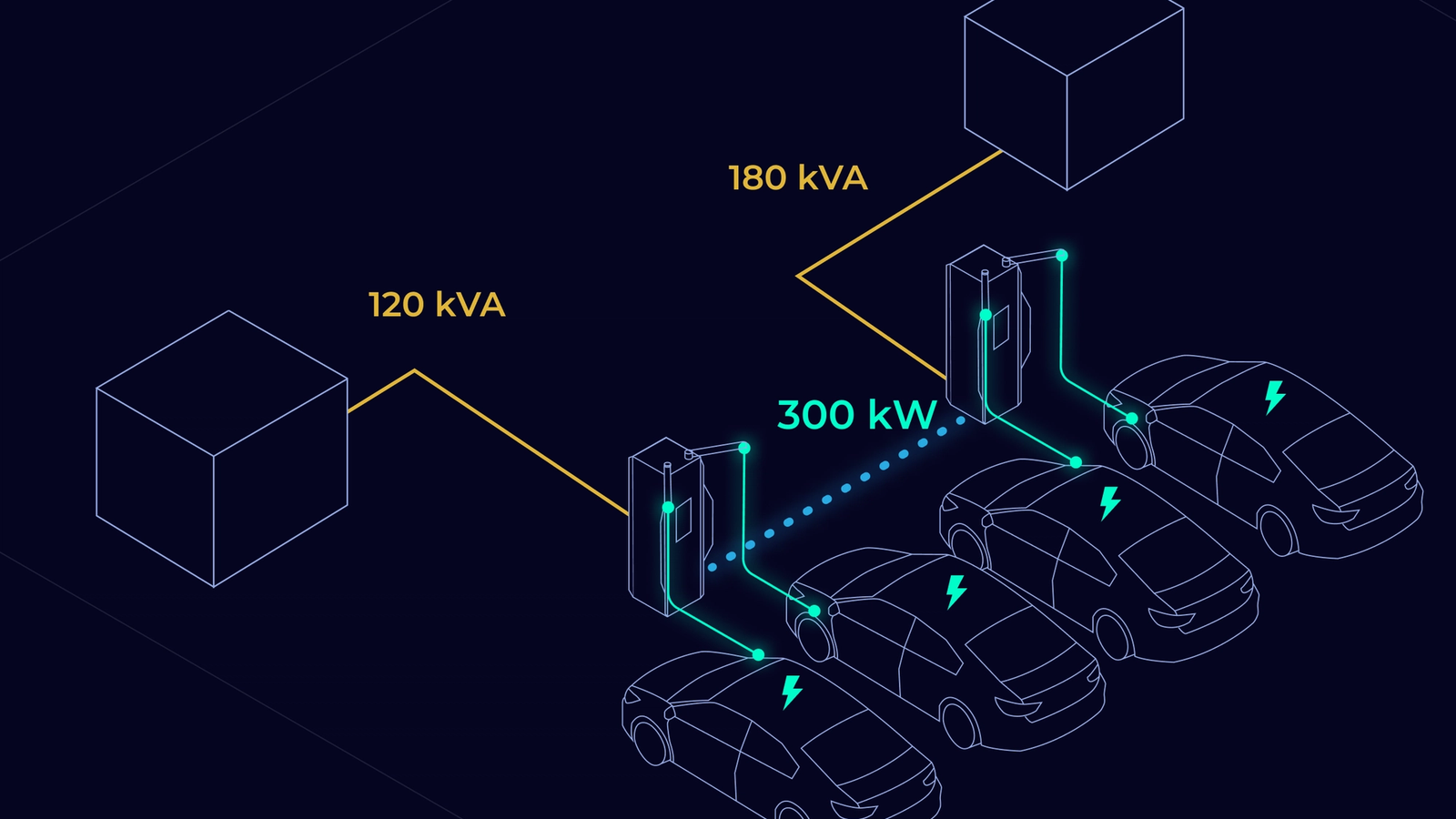
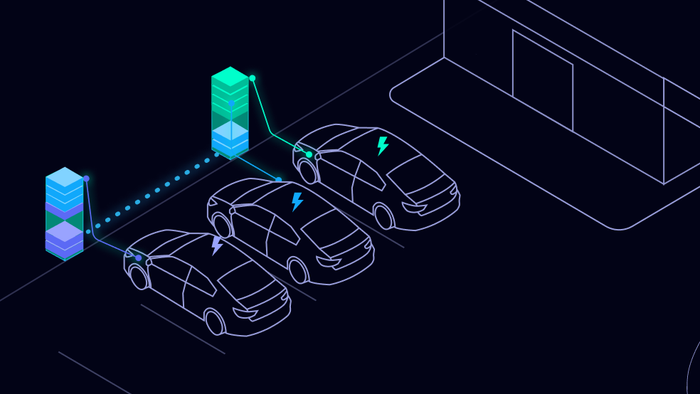
The S-HUB architecture is built around a simple idea. Two independent low voltage grid connections can be used simultaneously to two standalone chargers and their available power can be combined on the DC side. Through a true DC Link connection between chargers, power is shared directly between units and delivered where it is needed most.
From the perspective of the vehicle, this behaves like a single high voltage connection. Each charging plug has access to the full available power of the system, sourced from independent grid supplies, and dynamically allocated in real time. The intelligence and power management happen entirely within the charging infrastructure.
No External Cabinets, No Distributed Complexity
What makes this approach fundamentally different is where the power conversion and sharing take place. In the S-HUB architecture, power modules are integrated directly inside the chargers. There is no need for external power cabinets or centralized distribution units. Each charger remains standalone.
This architecture combines the simplicity of standalone chargers with power levels typically associated with distributed charging systems. Until now, these two worlds were considered separate.
Lower Costs and Faster Deployment
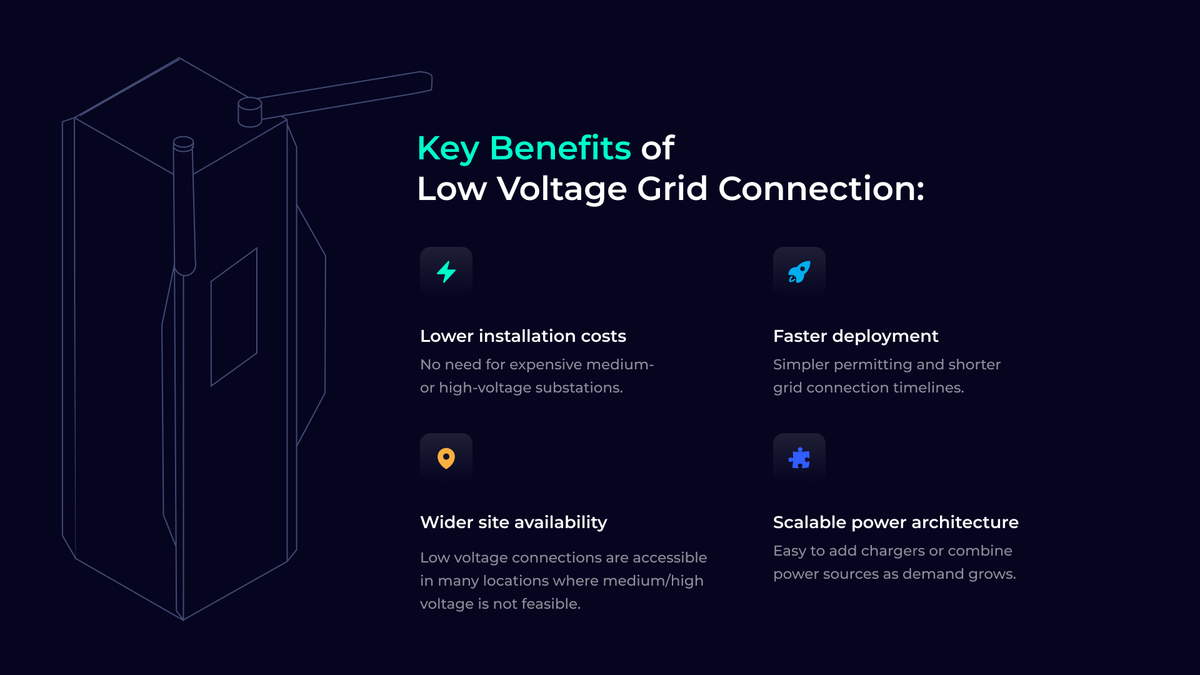
For charge point operators, the practical implications are significant. Requesting a stronger grid connection is often one of the most expensive and time consuming parts of a charging project. It can involve long approval processes, building new transformers at a significant cost of 100k EUR plus, civil works and upgrades far beyond the site itself.
By using existing low voltage connections and combining their capacity through S-HUB, operators can avoid these upgrades altogether. Installation becomes faster and substantially more cost effective. Sites that were previously considered unsuitable for high power charging suddenly become viable.
This also enables phased deployment. Infrastructure can grow organically, following demand rather than forcing large upfront investments.
Full Power Where It Matters
Despite operating on low voltage connections, the charging experience remains uncompromised. Thanks to intelligent power sharing via DC Link, the system ensures that available power is always directed to active vehicles. Whether charging passenger cars or heavier electric vehicles, each plug can deliver the power users expect from modern fast charging.
This balance between grid efficiency and user experience is at the core of the S-HUB concept.
Setting a New Direction for Fast Charging Infrastructure
S-HUB is the first solution on the market that enables standalone chargers to deliver power levels traditionally reserved for distributed systems while operating on low voltage grid connections. It reflects a broader shift in how charging infrastructure is designed. Not by forcing the grid to adapt, but by making charging systems smarter, more flexible and more efficient.
As pioneers of this architecture, WILLBERT by EUROLOOP continues to challenge established assumptions about what is possible with low voltage infrastructure. In a world where grid capacity is increasingly precious, smarter use of existing connections may well define the future of fast charging.
Tomasz Rydz supports the execution of marketing strategy by creating audiovisual content and managing event presence at WILLBERT by EUROLOOP. He has a strong background in automotive marketing, he previously worked at Toyota Central Europe and a renowned tuning company in Florida. At EUROLOOP, he focuses on brand visibility, content creation, and engaging customer experiences in the evolving EV charging market.
Blijf op de hoogte
Ontvang het laatste nieuws over EV-laden, retail langs de weg en het WILLBERT-ecosysteem, rechtstreeks in uw mailbox.
Artikels die u wellicht interesseren
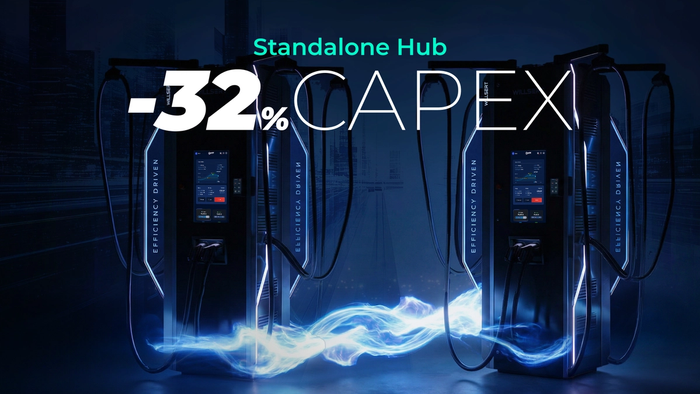
How the Standalone Hub Architecture Cuts Charging Site CAPEX by 32%
An 8-plug DC site, two architectures: four 400 kW standalone chargers against four Amber II units paired into two S-HUB systems. Same plugs, 40% less installed power and €121,000 lower CAPEX.
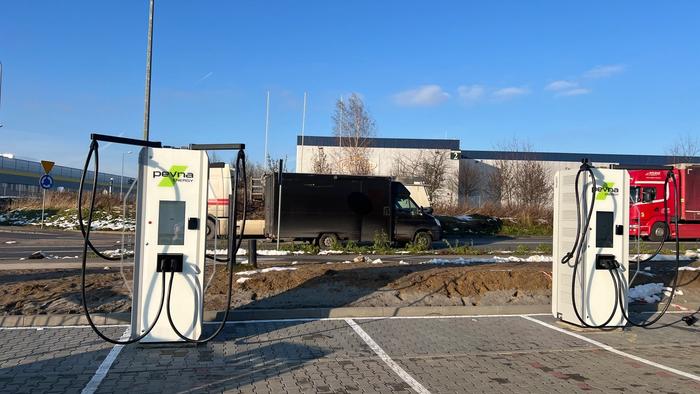
Polish Debut of the S-HUB in Skawina
Poland's first S-HUB is live in Skawina. Operated by Pevna Energy, it runs on two separate low-voltage grid connections and can scale from 200 kW to 720 kW without major hardware changes.
Charge Smarter, Not Harder: Scalable EV Infrastructure for Retailers
Grid upgrades are slow, costly and rigid. How modular power and S-HUB let roadside retailers start small, add 60 kW modules as demand grows, and spend less on installation than a distributed system.